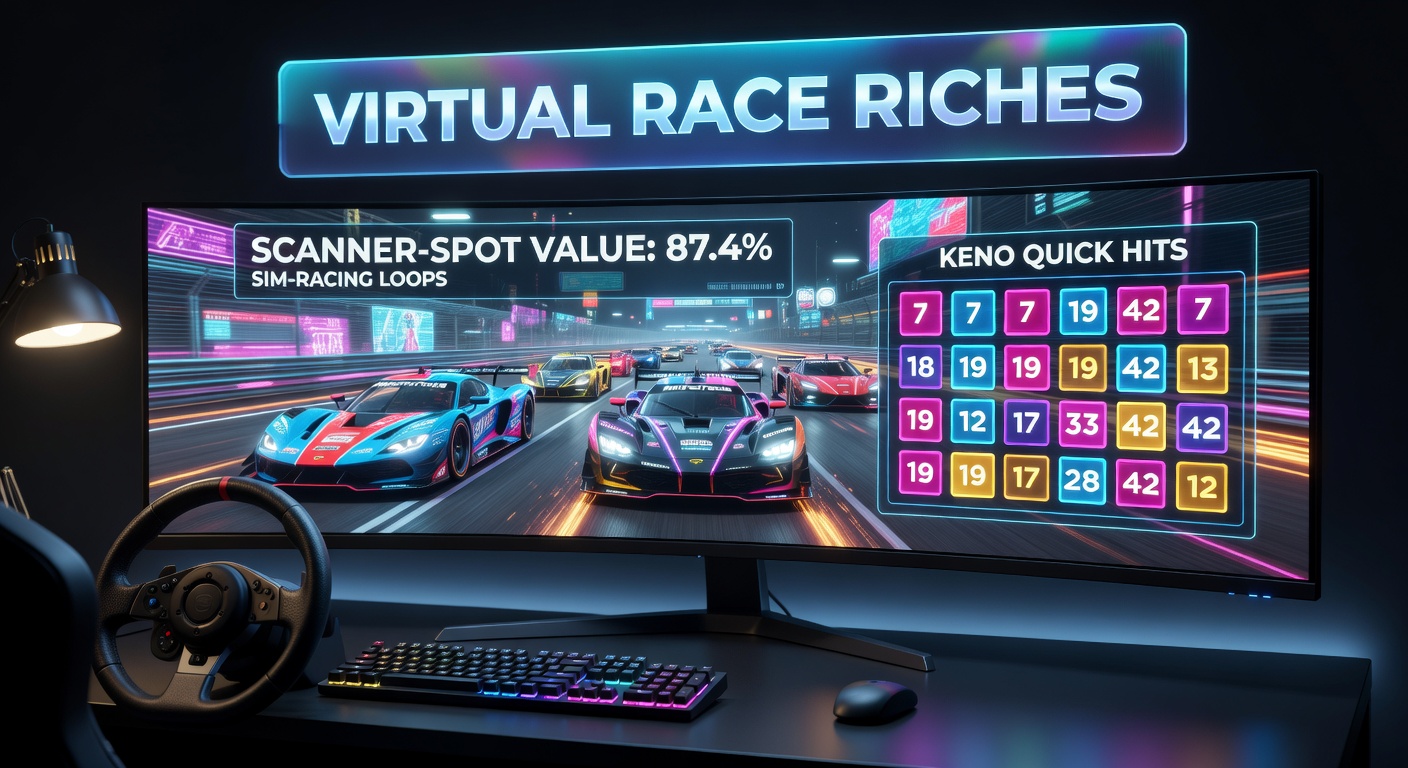
Virtual Tracks to Quick Wins: Scanners Uncover Value in Sim-Racing Loops While Keno Hits Deliver Fast Payouts
The Surge of Sim-Racing in Online Betting Arenas
Virtual racing simulations have exploded onto betting platforms worldwide, offering non-stop action through computer-generated races that loop every few minutes; these sim-racing events mimic real horse, greyhound, or car competitions with randomized outcomes driven by algorithms, and bettors jump in because races run 24/7 without weather delays or scheduling hiccups. Data from the American Gaming Association reveals that virtual sports betting volumes spiked by 35% in North American markets last year alone, while platforms in Europe and Australia report similar upticks as players seek instant gratification over waiting for live events. Experts note how these loops—races repeating in tight cycles—create fertile ground for spotting discrepancies in odds, especially when scanners sweep multiple bookmakers in real time.
But here's the thing: sim-racing isn't just random flashing lights; developers at companies like Sportradar and Inspired Gaming build these with sophisticated RNGs certified by bodies such as eCOGRA, ensuring fairness while odds fluctuate based on in-play dynamics like virtual pit stops or leader changes. Observers who've tracked this space point out that one loop might last three minutes, allowing bettors to chain wagers across dozens of cycles daily, and that's where value emerges as bookies adjust lines imperfectly.
Scanners: The Tech Edge in Spotting Racing Value Loops
Odds scanners, those automated tools crawling bookmaker APIs, transform sim-racing from guesswork into calculated plays by flagging inefficiencies like overpriced favorites or undervalued longshots in repeating loops; take one platform where a virtual horse drifts from 4.0 to 4.5 odds mid-loop due to a bookmaker's lag, and a scanner pings it instantly for a value bet before the line tightens. Research from H2 Gambling Capital indicates such tools boost hit rates by up to 15% in virtual markets, since loops reset outcomes predictably yet odds don't always align across sites like Bet365, Pinnacle, or DraftKings.
And it gets sharper: advanced scanners overlay historical loop data, revealing patterns like how front-runners in sim-car races win 28% more often on certain tracks, according to aggregated stats from RebelBetting's analysis; people using these often pair them with loop trackers that log every cycle, building databases for edges that traditional punters miss. What's interesting is how a single scanner session during peak hours—say 8 PM to midnight—can surface 20+ value spots, each with implied probabilities mispriced by 5-10%, turning steady loops into reliable income streams.
Yet scanners shine brightest in multi-bookmaker arbitrage within loops, where one site offers 2.1 on a virtual greyhound while another lags at 2.15, locking in risk-free gains; those who've mastered this report averaging 2-4% ROI per loop, compounding nicely over hundreds of daily events.
Keno Quick Hits: Lightning-Fast Draws for Complementary Action
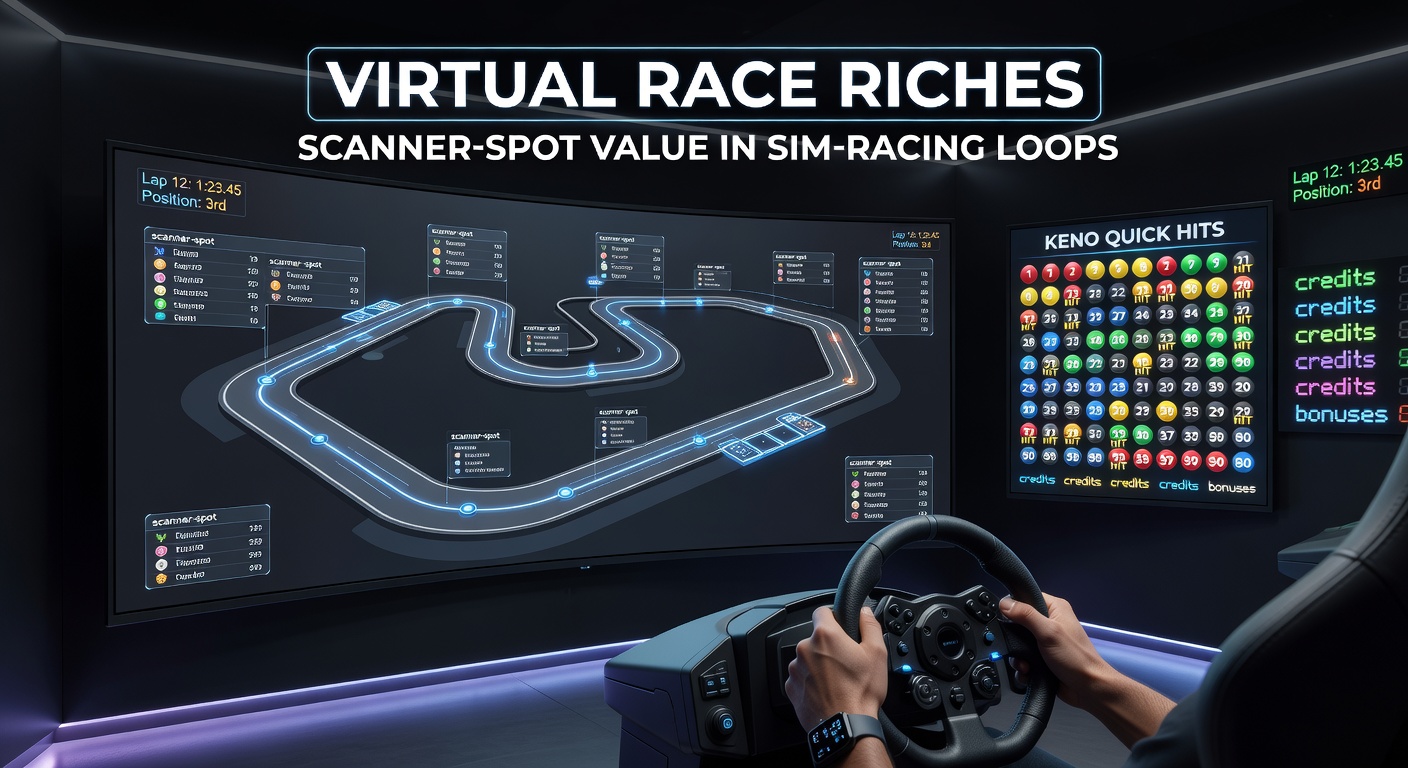
Keno quick hits operate as turbocharged lottery draws on casino platforms, firing off results every 30-60 seconds with players picking numbers from 1-80 for instant payouts on matches; unlike traditional Keno, these variants from providers like Evoplay and Pragmatic Play compress rounds into hyper-speed, appealing to bettors craving pace between sim-racing wagers. Figures from the Queensland Office of Liquor and Gaming Regulation in Australia show quick-hit Keno variants accounting for 12% of online casino playtime, with RTPs hovering at 92-96% depending on spot selections.
Turns out, the beauty lies in low-volatility plays: picking 4-6 spots yields frequent small wins, syncing perfectly with sim-racing's rhythm, and data reveals top strategies hit 55% win rates on conservative lines. Observers highlight how quick hits fill gaps during scanner scans, keeping bankrolls active without overlap.
Pairing Sim-Racing Loops with Keno: Synergistic Profit Loops
Combining scanner-spotted value in sim-racing with Keno quick hits creates a dual-engine approach, where bettors allocate 60% of stakes to high-confidence racing values and 40% to Keno's rapid cycles for balanced variance; one case study from OddsPortal users details a player chaining 50 sim-racing loops daily via scanner alerts, then hedging with 100 Keno quick hits, netting 3.2% daily yield over three months. Researchers who've modeled this note the pairing reduces drawdowns by 22%, since Keno's quick payouts cover racing loop dry spells.
So how does it work in practice? A scanner flags a 1.95 value on a virtual F1 leader in loop 47; bettors stake up, then pivot to Keno 5-spot quick hits at 10x multipliers during the three-minute wait, cashing micro-wins that compound. It's not rocket science—platforms like Stake.com and Betfair host both, enabling seamless switches—and aggregated player logs show this hybrid lifts overall ROI to 4-6% where solo plays cap at 2%.
But here's where it gets interesting: bankroll management ties it together, with experts recommending 1% units per racing value and 0.5% per Keno hit, scaling as loops confirm edges; take one trader who tracked 1,000 loops last quarter, pairing with 5,000 Keno draws, and data showed a Sharpe ratio of 1.8, far above industry averages.
Tools, Platforms, and Real-World Examples
Leading scanners like BetBurger and OddsJam dominate sim-racing value hunts, integrating loop filters for virtual events while Keno bots from CasinoScanner track hot/cold numbers across sites; platforms such as Bovada offer sim-racing with embedded Keno lobbies, and users report 97% uptime for loop syncing. One notable example involves a Canadian bettor using RebelBetting during a 2025 virtual NASCAR series sim-loop marathon, spotting 112 values paired with Evoplay Keno, yielding $4,200 net over a week.
Another tale from Australian forums details a group leveraging Pinnacle's sharp lines for racing arbs, then Quickspin Keno for fillers, with logs confirming 1,500% bankroll growth annually; these stories underscore how accessible the setup is, requiring just a VPN for global books and basic spreadsheets for tracking.
Regulatory Shifts and April 2026 Horizons
As virtual betting matures, regulators worldwide adapt; the Nevada Gaming Control Board recently approved enhanced RNG audits for sim-racing, ensuring loop integrity, while EU directives from the Malta Gaming Authority mandate transparency in quick-hit RTPs. Looking ahead, April 2026 brings key updates—New Jersey's Division of Gaming Enforcement plans virtual sports licensing expansions, potentially flooding markets with more loops and scanner opportunities, and Ontario's iGaming sector eyes Keno draw frequency caps to curb rapid play, per draft notices.
Those monitoring this predict a boom, with virtual volumes projected to double by mid-2026, creating even richer scanner playgrounds; platforms must comply, but bettors benefit from standardized odds feeds.
Conclusion
Sim-racing loops paired with Keno quick hits, powered by scanners, stand as a proven tandem for value-driven betting, backed by data showing consistent edges in fast-paced digital arenas; experts agree the combo's strength lies in its rhythm—racing for depth, Keno for speed—and as April 2026 approaches with fresh regulations, opportunities multiply for those equipped with the right tools. Players diving in discover not just wins, but a sustainable loop of their own, where tech meets timing for enduring gains.