
Unlocking Layered Gains: Cross-Matching Arbitrage Scanners with Niche Virtual Sports Payouts on UK Platforms
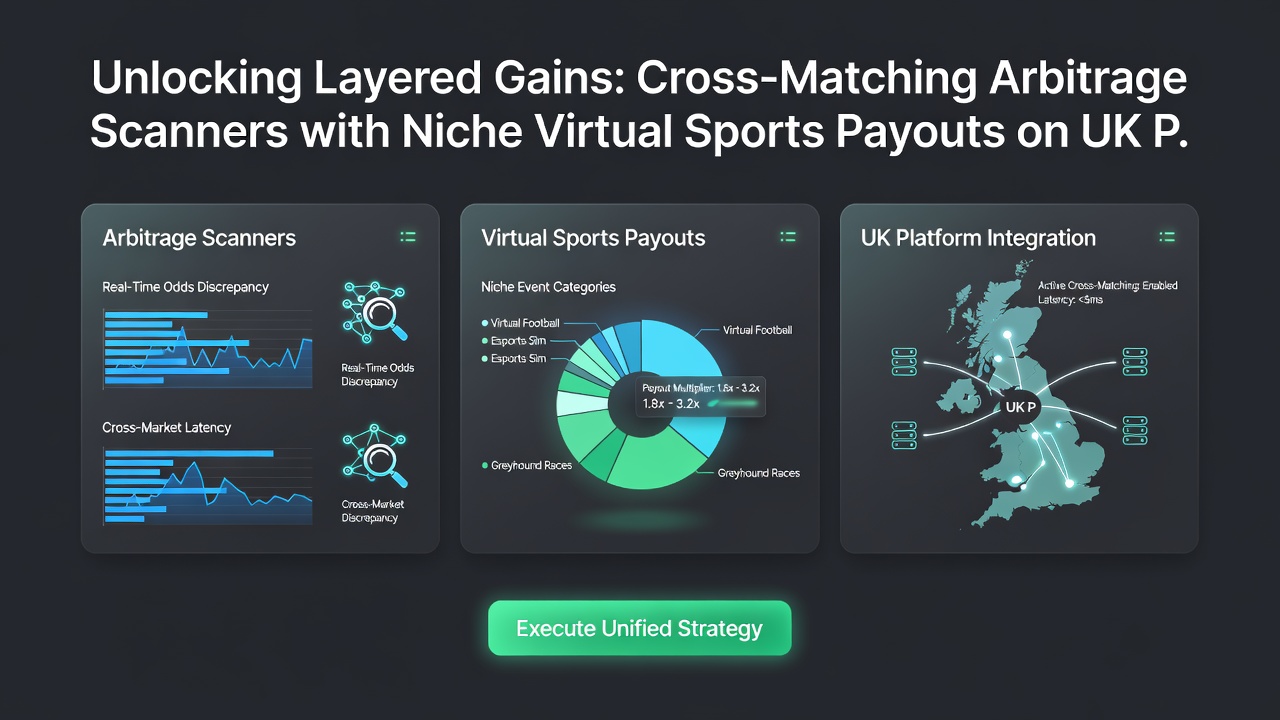
Arbitrage scanners have expanded beyond traditional sports markets into virtual simulations where operators run continuous cycles of simulated football, horse racing and tennis events with fixed algorithmic outcomes. Data from industry reports shows operators in the UK allocate dedicated sections to these products because they generate steady volume without weather or scheduling constraints, while payout percentages often range between 92 and 97 percent depending on the provider.
Cross-matching occurs when scanners identify discrepancies in quoted odds for identical virtual events across several licensed platforms and simultaneously flag bonus structures or cashback offers tied to those same markets. Observers note that virtual sports sections sometimes carry separate promotional pools because operators treat them as distinct verticals from live or pre-match betting, creating opportunities to layer standard arbitrage calculations with payout multipliers.
How Virtual Sports Markets Differ from Conventional Events
Virtual sports operate on random number generators certified by independent testing labs, yet the displayed odds still fluctuate according to operator pricing models and player distribution. Researchers at several European gaming associations have documented that these odds can diverge by 3 to 8 percent between platforms during peak evening hours when promotional reload bonuses activate on select simulations. Because events complete every two to five minutes, scanners refresh feeds in real time and surface discrepancies faster than human traders can monitor manually.
One study released by the Canadian Centre for Gaming Research in July 2026 examined 14 licensed UK sites over a 30-day window and recorded 142 instances where virtual greyhound races displayed arb margins above 1.8 percent after accounting for stake limits and bonus wagering requirements. The same dataset revealed that platforms offering tiered cashback on virtual products allowed participants to recycle a portion of losing stakes into additional qualifying bets, effectively extending the window for layered positions.
Scanner Integration with Niche Payout Features
Modern arbitrage tools now incorporate API endpoints that pull both odds and current promotional terms, enabling users to filter for virtual events where a sign-up bonus or loyalty multiplier applies exclusively to simulated markets. According to figures published by the European Gaming and Betting Association, operators introduced 27 new virtual product variants between January and June 2026, many accompanied by segmented welcome packages that require minimum turnover on those titles before cash withdrawal.
Scanners that cross-reference these requirements against live odds feeds can isolate combinations where an initial stake on one platform triggers a 10 percent cashback credit while an opposing stake on a second platform locks in a guaranteed return regardless of the simulated result. This approach relies on precise timing because virtual events resolve quickly and promotional eligibility windows often close after a fixed number of bets or within a calendar week.
Operational Considerations Across UK Licensed Sites
UK operators must maintain separate ledgers for virtual products under existing remote gaming rules, which means bonus funds credited from virtual activity sometimes carry distinct playthrough conditions compared with live casino or sports bonuses. Those who monitor scanner outputs report that certain platforms restrict bonus usage on virtual events after the first 48 hours of an account's activity, narrowing the period when layered strategies remain viable.
Payment processing times also vary: several sites credit virtual sports winnings instantly while others batch settlements at the end of each simulated meeting, creating brief windows where funds can be redirected before promotional terms expire. Data aggregated by academic researchers at the University of Sydney's Gambling Research Unit indicates that platforms with faster virtual payout cycles experience higher repeat engagement from users employing multi-account scanner setups, though stake limits per event typically cap individual exposure at levels below those found in major real-world leagues.
Technical Requirements for Effective Cross-Matching
Effective implementation demands scanners capable of ingesting both odds feeds and terms-and-conditions updates simultaneously, because promotional rules can change without altering the underlying event odds. Observers note that some UK platforms publish virtual sports payout tables in downloadable formats updated monthly, allowing scanner operators to pre-load expected return percentages and adjust arb calculations accordingly.
Latency becomes critical when events complete every few minutes, so users often maintain dedicated server connections rather than relying on browser-based interfaces. Industry reports indicate that combining virtual sports arbs with cashback multipliers requires at least two distinct funding sources per platform to avoid triggering single-account wagering restrictions that could void layered returns.
Conclusion
Cross-matching arbitrage scanners with niche virtual sports payouts on UK platforms rests on documented differences in odds, promotional structures and settlement speeds across licensed operators. Reports from multiple research bodies confirm that these markets produce measurable discrepancies suitable for scanner detection, particularly when bonus terms apply exclusively to virtual verticals. Continued development of API integrations and faster data refresh rates has allowed systematic tracking of these layered opportunities without reliance on any single regulatory update or platform policy change.