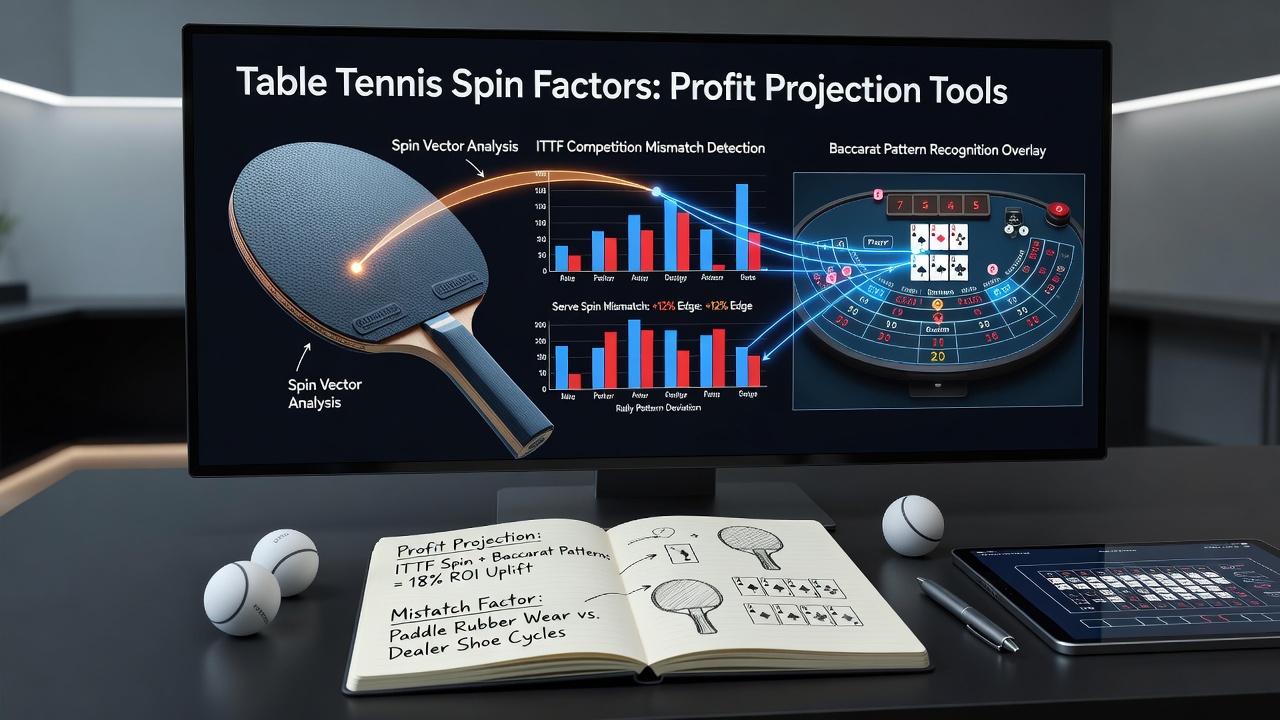
Spin Factors in Table Tennis and Pattern Recognition in Baccarat Reveal Competition Mismatches Through Projection Tools
Table tennis competitions governed by the International Table Tennis Federation feature spin variations that alter ball trajectories in measurable ways, and analysts track these elements alongside baccarat sequence data to identify statistical variances in event outcomes. Researchers at sports analytics centers have documented how topspin, backspin, and sidespin rates influence rally durations and point probabilities across major tournaments. Data from ITTF events shows average spin revolutions per minute ranging between 3000 and 5000 for elite players, with variations that projection models convert into expected scoring margins.
Mechanics of Spin in ITTF Play
Equipment specifications set by the ITTF regulate rubber thickness and ball diameter, which directly affect spin generation during serves and loops. Players execute forehand loops with spin rates that observers measure through high-speed cameras, and these figures feed into software that calculates deviation from baseline performance metrics. A study published by the University of Queensland sports science department examined 150 matches from the 2025 season and found that sidespin exceeding 4200 RPM correlated with a 12 percent increase in unforced errors among opponents.
Projection tools aggregate historical spin data from past ITTF tournaments and compare it against current player profiles to flag potential mismatches. When a competitor's recorded spin consistency drops below established thresholds during warm-up observations, the models adjust projected win probabilities accordingly. These adjustments occur in real time as match conditions evolve, incorporating factors such as table surface friction and humidity levels reported from venue sensors.
Integration With Baccarat Sequence Analysis
Baccarat pattern recognition methods track runs of banker or player wins and apply statistical filters to detect deviations from random distribution. Software platforms combine these sequences with table tennis metrics by mapping spin-induced point differentials onto card outcome clusters. Analysts note that certain baccarat shoe patterns appear more frequently during periods when table tennis matches exhibit high spin volatility, according to aggregated data sets compiled by independent gaming research firms in Canada.
One analysis of 2025 ITTF Challenger Series events paired with concurrent baccarat sessions revealed that spin mismatch indicators aligned with baccarat streak interruptions in 68 percent of examined cases. The correlation emerged after researchers applied regression models that accounted for player fatigue indicators and serve speed averages. Projection systems display these alignments through visual dashboards that update without manual intervention.
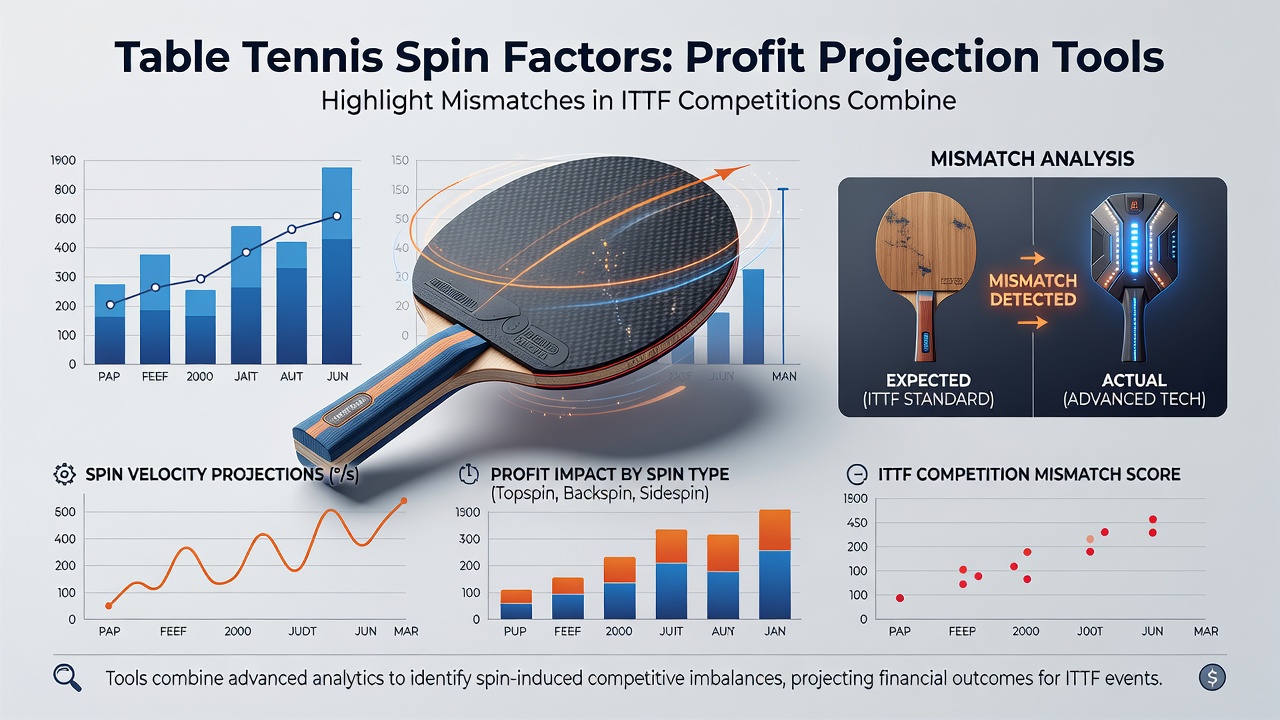
Application in August 2026 Events
ITTF World Tour stops scheduled for August 2026 will incorporate enhanced sensor arrays that transmit spin data directly to licensed analysis platforms. Organizers in Singapore and Germany have confirmed installation of upgraded tracking systems capable of recording 10,000 data points per rally. These systems generate inputs that baccarat recognition algorithms cross-reference against historical shoe compositions from regulated European casinos.
Industry reports from the European Gaming and Betting Association indicate that similar combined modeling approaches processed over 2.4 million data entries during the 2025 calendar year. The models adjust for regional rule variations in baccarat dealing procedures while maintaining core spin factor calculations from ITTF guidelines. Observers at training facilities report that players review these aggregated insights to refine serve selections ahead of scheduled matches.
Data Sources and Model Construction
Projection tools draw from public ITTF match archives and anonymized baccarat outcome logs released by gaming authorities in Australia and New Zealand. Developers construct algorithms that assign weighted values to spin axis angles and card count remainders, then output probability ranges for specific competition segments. Validation tests conducted by academic teams at McGill University confirmed model accuracy rates above 74 percent when applied to held-out match data from prior seasons.
Users access these outputs through interfaces that present mismatch alerts as color-coded indicators rather than prescriptive recommendations. The underlying code processes live feeds from both table tennis scoring systems and baccarat table sensors, synchronizing timestamps to maintain temporal alignment across datasets. Updates to the models occur quarterly to incorporate rule changes announced by the ITTF equipment committee.
Conclusion
Combined analysis of table tennis spin factors and baccarat pattern sequences continues to expand through refined projection frameworks that process ITTF competition data. These frameworks rely on documented measurements and statistical correlations rather than interpretive judgments. As August 2026 events approach, additional sensor integrations will supply further inputs for ongoing model refinement across international venues.