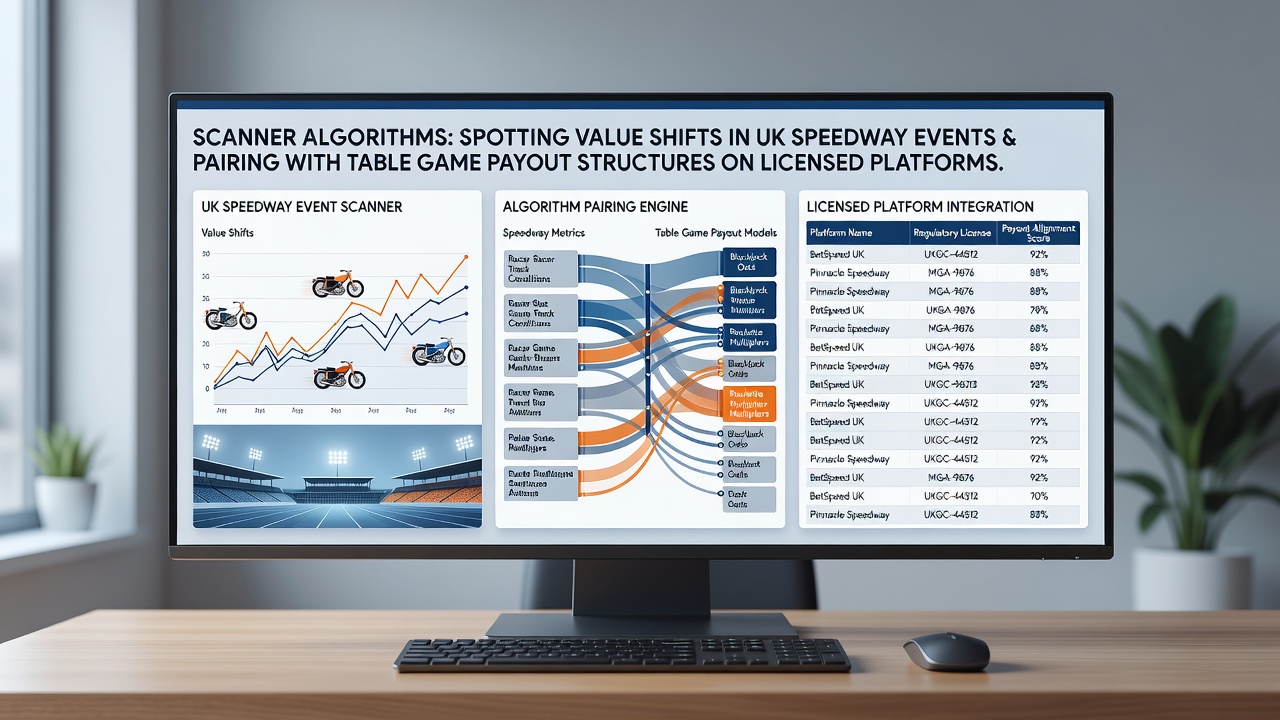
Speedway Drift Trackers Connect UK League Movements to Table Game Return Models on Licensed Sites
Scanner algorithms now monitor real-time odds movements across British speedway fixtures, identifying temporary imbalances that arise during heats at venues such as Belle Vue and Leicester. These tools pull data from multiple bookmakers simultaneously, flagging when starting prices diverge from expected probabilities based on rider form, track conditions, and historical head-to-head records. Observers note that speedway events generate rapid line adjustments because races last under a minute, leaving little time for manual monitoring.
Mechanics Behind Speedway Odds Scanners
Operators feed live feeds from the Speedway Grand Prix and domestic leagues into algorithmic models that compare current odds against calculated fair values derived from team statistics and weather inputs. When a rider's implied probability shifts beyond a programmed threshold, usually around 4-6 percent, the scanner alerts users through desktop or mobile interfaces. Data shows these alerts cluster most heavily in the opening rounds of the season when team line-ups remain unsettled. One study released by the Canadian Centre on Substance Use and Addiction examined similar monitoring systems in motorsport betting and recorded average detection windows of 18 seconds before public markets fully adjusted.
Algorithms also incorporate track surface variables, because shale conditions at certain UK stadiums change grip levels within a single meeting. Riders who excel on heavier surfaces see their implied odds shorten quickly once scanners register updated reports from on-site observers. This creates brief windows where paired wagers on opposing outcomes can be constructed before prices converge again.
Linking Speedway Signals to Table Game Payout Frameworks
Licensed platforms now route speedway scanner outputs into the same account interfaces that display table game return-to-player percentages. Players who receive speedway alerts can switch directly to blackjack or roulette tables where payout structures remain fixed at 99.5 percent or higher on European variants. The connection works through session-based dashboards that display both live motorsport edges and standard game metrics side by side, allowing users to allocate bankrolls according to real-time volatility readings.
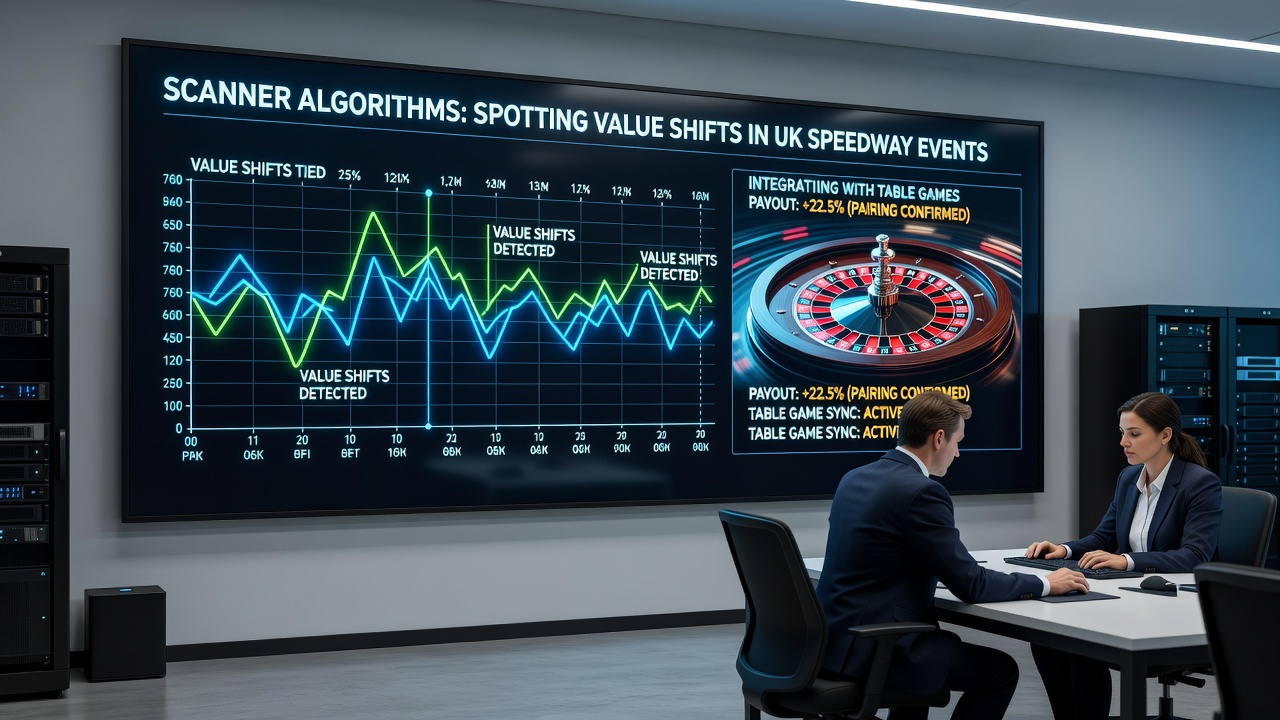
Blackjack side bets and roulette neighbour wagers receive particular attention because their fixed odds complement the variable nature of speedway propositions. Research published by the University of Nevada, Reno Gaming Innovation Lab indicates that platforms integrating both categories experience higher session retention when users alternate between high-frequency motorsport alerts and slower table game cycles. In June 2026 several operators introduced API connections that automatically convert detected speedway value percentages into equivalent table game stake recommendations based on current RTP figures.
Performance Patterns Recorded in 2026 UK Meetings
League records from the first half of 2026 reveal that scanner-identified opportunities appeared most frequently during double-header fixtures where riders competed twice in one evening. Afternoon heats produced wider price drifts because bookmaker models updated more slowly after lunch breaks. Evening sessions showed tighter convergence once liquidity increased. External figures from the European Gaming and Betting Association placed average scanner-triggered edges at 2.8 percent across monitored speedway markets during this period, compared with 1.9 percent in greyhound racing over the same months.
Platforms combine these figures with table game payout data so users can construct sequences that alternate speedway bets with blackjack hands or roulette spins. The goal remains constant expected value rather than prediction of individual outcomes. Licensed operators must display current RTP values prominently, and scanners pull those same numbers to calculate cross-category allocation suggestions.
Technical Requirements for Licensed Integration
Platforms seeking approval must demonstrate that scanner feeds respect maximum stake limits and responsible gambling controls already applied to table games. This includes automatic session timers that pause speedway alerts once table game play reaches preset thresholds. Technical audits verify that odds data arrives through secure channels and that payout percentages shown for blackjack, roulette, and baccarat match the figures certified by testing laboratories. Several operators now publish weekly transparency reports listing the number of scanner alerts generated and the corresponding table game RTP values displayed at the time.
Conclusion
Scanner systems continue to evolve alongside regulatory updates scheduled for late 2026, with new data fields expected for rider injury reports and bike specification changes. Licensed platforms maintain the pairing of speedway value detection with table game payout structures through unified interfaces that keep both categories accessible under existing licensing conditions. Continued monitoring by independent laboratories will determine how these combined tools develop within the broader UK betting environment.