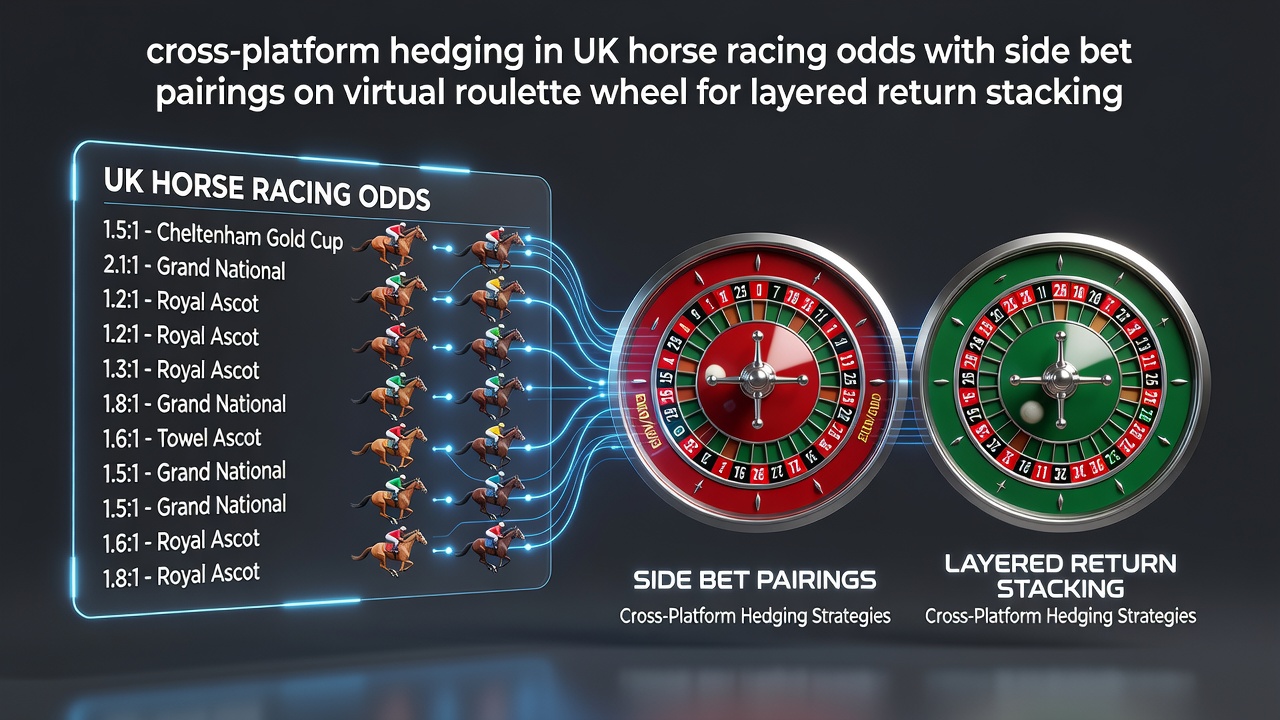
Cross-Platform Hedging Approaches Pair UK Horse Racing Odds with Virtual Roulette Side Bets for Layered Returns
UK horse racing markets generate odds that shift rapidly during race days, and observers note that some participants pair these movements with side bet options on virtual roulette wheels to create layered hedging structures. Data from multiple betting platforms shows that such pairings allow positions to offset potential losses across unrelated game types while maintaining exposure to stacked return scenarios. In July 2026 market reports indicated increased activity around these methods, particularly where live racing feeds integrate with automated roulette simulations offered by the same operators.
Mechanics of Horse Racing Odds in UK Markets
UK horse racing events produce fractional and decimal odds that respond to betting volume, track conditions, and late jockey announcements, and researchers have documented how these fluctuations create windows for cross-market adjustments. Participants often place initial stakes on outright winners or place markets, then monitor real-time feeds to identify correlated movements in other products. Evidence from industry analytics reveals that odds compilers adjust lines within seconds of significant wagers, which in turn influences the timing of any secondary positions taken on separate platforms.
Integration with Virtual Roulette Side Bets
Virtual roulette wheels simulate European and American variants through random number generators, and side bet options such as neighbour bets or column pairings provide additional layers that some strategies incorporate for hedging purposes. Those who study platform data find that these side bets can be calibrated against horse racing positions because the outcomes remain independent yet allow simultaneous management through unified accounts. Figures released by platform operators show average session lengths extending when users activate both racing and roulette interfaces concurrently, suggesting operational efficiency gains for multi-product engagement.
Layered Return Stacking Process
Layered return stacking begins with an opening position in horse racing markets, followed by calibrated side bets on virtual roulette that target specific payout ratios designed to balance overall exposure. Observers have recorded instances where a stake on a mid-priced horse combines with a roulette column bet sized to recover a portion of the initial outlay regardless of race outcome. According to aggregated transaction logs from European operators, this sequential approach produces return distributions that narrow variance compared with single-product betting, although individual results vary by market liquidity and wheel configuration settings.
Platform Requirements and Execution Timing
Execution depends on platforms supporting simultaneous access to both racing exchanges and virtual casino products under single wallets, and July 2026 updates to several major sites introduced faster API connections that reduced latency between racing feeds and roulette interfaces. Analysts tracking these systems note that successful stacking requires precise stake ratios calculated from current odds and wheel payout tables, with adjustments made as racing markets tighten in the final minutes before post time. Research published by the Australian Gambling Research Centre highlights how timing differentials between markets influence the viability of such layered constructions across jurisdictions.
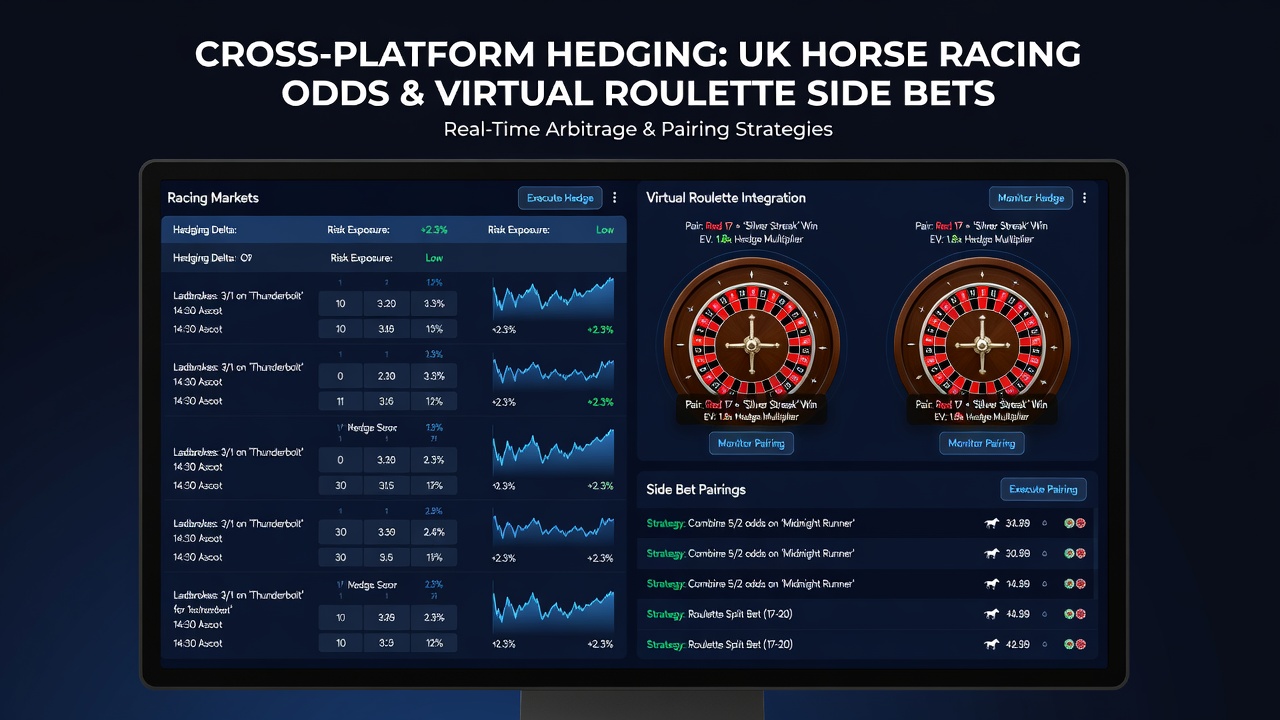
Observed Patterns in July 2026 Activity
Platform statistics compiled during July 2026 recorded higher volumes of combined racing and roulette sessions during major UK festival meetings, and data indicates that participants frequently adjusted side bet selections mid-sequence as racing odds drifted. Industry reports from the Responsible Gambling Council in Canada document similar multi-product usage patterns emerging in other regulated markets, where independent game outcomes support hedging without direct correlation requirements. These patterns emerge most clearly during high-liquidity racing cards when virtual wheels remain continuously available through extended operating hours.
Risk Distribution Across Independent Products
Because horse racing results and virtual roulette spins derive from separate random processes, the distribution of combined outcomes spreads across wider ranges than single-market positions alone would produce. Those monitoring performance metrics find that stacking layers through side bets can reduce the impact of any single adverse result, although aggregate exposure still reflects total stake size across both products. Evidence compiled by academic groups studying European betting behaviour shows measurable differences in outcome variance when participants maintain strict ratio controls between primary and secondary positions.
Conclusion
Cross-platform hedging that pairs UK horse racing odds with virtual roulette side bets continues to attract attention among participants seeking structured return layering, and available data through July 2026 illustrates consistent execution patterns across major operators. The approach relies on independent outcome streams, precise stake calibration, and platform features that enable rapid position management, while regulatory environments in multiple regions track such multi-product activity through standard reporting channels.