Bally’s Corporation Unveils Revamped Flagship Casino at The Gate in Newcastle, Boosting UK Land-Based Gaming
The Reopening Ceremony and Immediate Impact
Bally’s Corporation has officially reopened its flagship land-based casino at The Gate in Newcastle upon Tyne, UK, following an extensive full-venue refurbishment; this move positions the property—previously operating as Aspers Casino—as the company’s primary physical gaming destination in the British market. Crowds gathered for the launch event, where executives highlighted the upgrades designed to elevate the player experience while adhering to stringent UK regulations. According to reports from Talksport, the reopening signals a bold investment in the land-based casino sector, one that comes at a time when operators navigate shifting consumer preferences and upcoming regulatory changes set for March 2026.
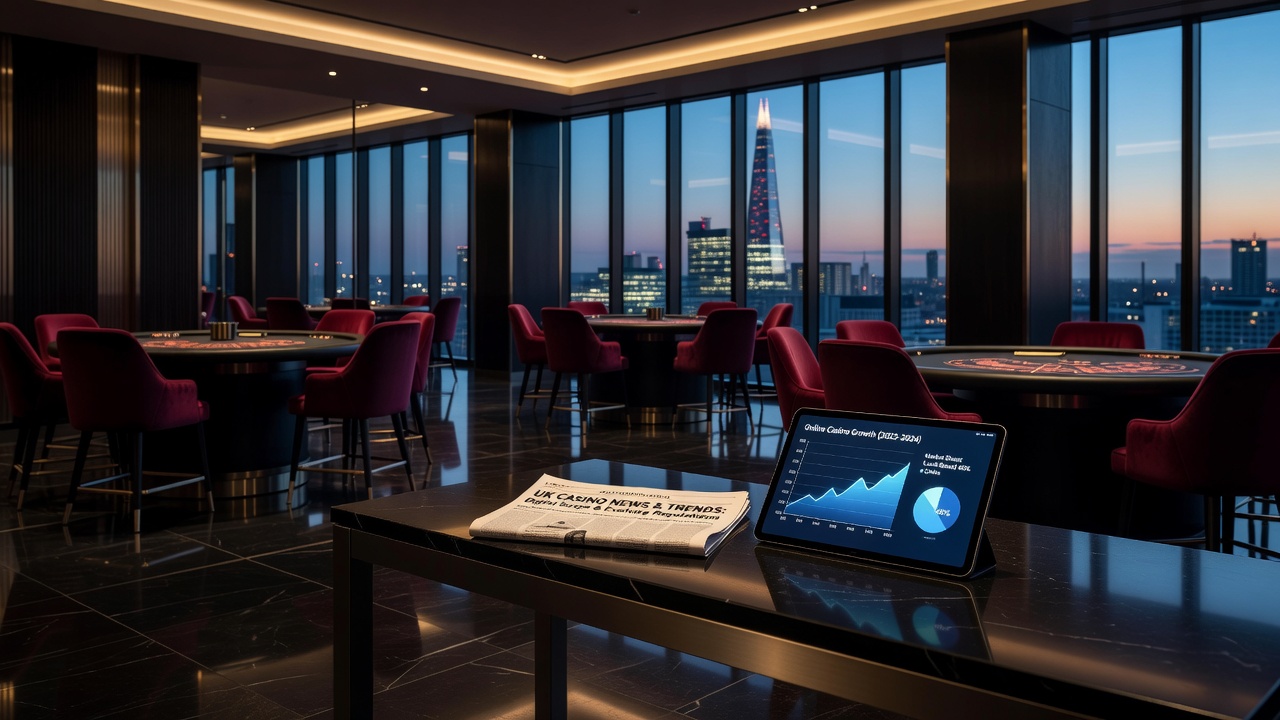
Visitors stepping inside now encounter a transformed space, complete with refreshed interiors, state-of-the-art gaming floors, and enhanced amenities that blend classic casino vibes with contemporary touches; it's the kind of overhaul that keeps punters coming back, especially in a city like Newcastle known for its lively nightlife. Bally’s, an American gaming giant with a growing international footprint, acquired the venue as part of its strategic push into Europe, turning what was once a regional staple into a cornerstone of its UK operations.
From Aspers to Bally’s: A Strategic Acquisition Unfolds
The story traces back to Bally’s acquisition of Aspers in late 2022, a deal that handed the company control over several prominent UK casinos, but none quite like this Newcastle gem at The Gate—a bustling entertainment complex drawing locals and tourists alike. Experts tracking the sector note how this purchase aligned with Bally’s broader ambitions to diversify beyond online platforms, especially as land-based venues face competition from digital rivals; the refurbishment, rumored to cost millions, underscores that commitment, transforming outdated elements into sleek, inviting spaces equipped for modern gamblers.
Take the gaming floor, for instance: slots and table games now feature the latest technology, while private gaming areas cater to high-rollers seeking discretion amid the buzz. And it's not just about the machines; dining options have expanded, bars serve craft cocktails alongside traditional pints, and loyalty programs tie seamlessly into Bally’s online ecosystem—allowing players to rack up rewards whether they're at the tables or tapping away on their phones. Observers point out that such integrations are becoming standard, helping brick-and-mortar spots stay relevant in an era dominated by apps and live dealer streams.
Details of the Refurbishment: What Changed and Why It Matters
Contractors worked around the clock for months, stripping back decades-old fixtures to install energy-efficient lighting, plush seating, and digital signage that guides patrons effortlessly; the result, a venue that feels fresh yet familiar, one where the hum of excitement fills the air from open to close. Bally’s emphasized sustainability in the project—recycling materials where possible and upgrading HVAC systems to cut energy use—moves that align with UK environmental standards and appeal to eco-conscious visitors who might otherwise stick to home-based betting.
What's interesting here is the timing: with the UK Gambling Commission gearing up for major reforms in March 2026, including stricter affordability checks and stake limits on slots, operators like Bally’s are future-proofing their properties now. Data from the Public Register for Bally Casino confirms the venue's compliance status, listing it under Bally’s UK operations with all licenses active and inspections passed. Figures reveal that post-refurb land-based casinos often see footfall spikes of 20-30% in the first quarter, a trend this Newcastle site seems poised to follow given its prime location amid shops, cinemas, and eateries at The Gate.

Positioning as Bally’s UK Flagship: Broader Implications for the Sector
This Newcastle casino now stands as Bally’s crown jewel in the UK, a physical anchor that complements its digital ventures like Bally Bet and partnerships with live casino providers; while online gaming surges ahead—UK figures show remote gambling revenue hitting £6.3 billion last year—land-based sites like this one offer irreplaceable social thrills, from the clink of chips to live dealer banter that no stream quite replicates. Researchers who've studied footfall patterns find that refurbished venues draw younger demographics too, blending electronic roulette with skill-based games to hook millennials who grew up on apps.
But here's the thing: the investment arrives amid consolidation in the UK market, where smaller operators struggle against giants like Entain and Flutter; Bally’s move injects fresh capital, potentially spurring competitors to upgrade their own properties lest they lose market share. One case that comes to mind involves a similar refurb in Manchester, where a rival casino reported a 15% revenue bump post-renovation, thanks to events like poker tournaments and DJ nights—tactics Bally’s is already deploying here, with themed openings and VIP previews pulling in hundreds on launch night.
And yet, challenges persist: rising operational costs, from staff wages to compliance fees, mean every pound spent on marble floors or LED screens must pay off quickly. That's where the rubber meets the road for Bally’s; by branding this as their flagship, they signal long-term faith in UK land-based gaming, even as March 2026 brings higher taxes and demographic restrictions that could squeeze margins.
Player Experiences and Operational Enhancements
Early visitors rave about the smoother navigation—wide aisles prevent crowds, self-service kiosks speed up transactions, and cashless payment options (including Apple Pay) make it frictionless for today's tech-savvy crowd; staff, retrained under Bally’s protocols, handle everything from responsible gambling chats to jackpot payouts with polished efficiency. Studies from the Gambling Commission indicate that enhanced venues reduce problem gambling incidents by promoting visible support hubs, a feature prominently placed near the entrance here.
So, people who've popped in post-reopening describe a vibe that's electric yet controlled, with progressive jackpots flashing bigger prizes and electronic tables offering lower minimums to welcome casual players alongside whales. It's noteworthy that Bally’s tied the relaunch to local promotions, partnering with Newcastle United for match-day shuttles—a savvy nod to the city's football passion that could sustain traffic through the winter months.
Looking Ahead: Sustainability and Market Dynamics
Turns out, this refurb isn't a one-off; Bally’s hints at rolling out similar upgrades across its UK portfolio, keeping pace with rivals who’ve poured billions into experiential gaming. The reality is, land-based casinos contribute £2.7 billion annually to the UK economy via jobs and tourism, per industry data, and venues like The Gate exemplify that by employing over 200 locals in roles from croupiers to chefs.
Yet with 2026 reforms looming—think £2 stake caps on online slots extending influences to physical machines—operators must innovate; Bally’s counters by emphasizing non-gambling draws like live music and gourmet pop-ups, diversifying revenue so the house always wins, figuratively speaking. Observers expect this flagship to set benchmarks, influencing how others adapt in a landscape where hybrid models (physical plus digital) dominate.
Conclusion
Bally’s reopening of its revamped casino at The Gate in Newcastle caps a pivotal chapter for UK land-based gaming, transforming a former Aspers site into a flagship beacon of investment and innovation; while the full effects will unfold over coming months, early signs point to boosted engagement and economic ripple effects in the region. As the sector braces for March 2026 changes, this development reminds stakeholders that well-timed upgrades can turn challenges into opportunities, ensuring casinos remain vibrant hubs long after the confetti settles.